
Cook County Multi-Day Arrest Records
The Sheriff publishes no countywide 72-hour or seven-day booking log. The closest official blotter is the Evanston Daily Crime Reports page. Dated PDFs there carry selected incidents and arrests from initial reports. The city notes some incidents stay withheld during active investigations. Chicago works differently. CPD's public search can find an adult arrest record by name. Chicago Open Data offers a downloadable arrest data set. Neither reads like a neat weekly blotter. Cicero posts no official public online log. The arresting agency creates the police record. CCDOC opens a county custody record only when the person reaches county jail.
Read Cook County Blotter Records
Work backward by agency and date. A multi-day sweep through Cook County blotter records catches police reports selected for later publication. It is not a real-time custody watch.
- Identify the department that likely made the arrest. City boundaries and custody destinations are not interchangeable.
- For Evanston, open the dated bulletin list and review the PDFs covering the likely date plus later business days.
- For Chicago, search the official CPD adult record and use the Open Data arrests set when a broader date analysis is needed.
- For Cicero, ask the Police Department or town FOIA office for the specific arrest or incident record.
- Check the Cook County jail locator only if county custody is plausible, then use the Clerk case search for hearings and disposition.
The 24 Hour Arrests page covers the first hours. It also flags processing lags there. This log workflow goes broader, hunting selected reports, delayed data, and records past a live custody view.
Evanston Arrest Bulletin Fields
An Evanston bulletin carries enough fields to separate an incident from a roster entry. The details come from initial police reports. Later court records can still change the legal picture.
| Bulletin field | How to read it |
|---|---|
| Arrestee name and age | Identity details in the selected police report |
| Arrestee location | The location associated with the named person |
| Arrest location | Where the reported arrest occurred |
| Arrest date and time | The event time, not the bulletin upload time |
| Statute description | The alleged offense recorded initially |
| Court date and time | A scheduled proceeding that may later change |
| Case number | The record key for follow-up |
| Arresting officer | The officer identified in the report |
A dated bulletin cannot show whether the person is still in custody. Release, transfer, and court outcomes live in separate systems.
Chicago Arrest Data Across Days
The Chicago Open Data arrests set covers adult CPD arrest data. It draws on the CLEAR automated arrest application. The data set lists up to four charges, and expunged records are excluded. The set helps locate patterns across days. It is not a Sheriff booking feed. Entries can synchronize after the event, too. CPD's named-person search adds a mugshot and central booking number. Together, the tools give a deeper municipal record than any dated headline list. Their scope stays CPD only. A Sheriff or suburban arrest must be checked with that agency and any receiving custody system. The official CPD help page documents the recent-data synchronization issue.
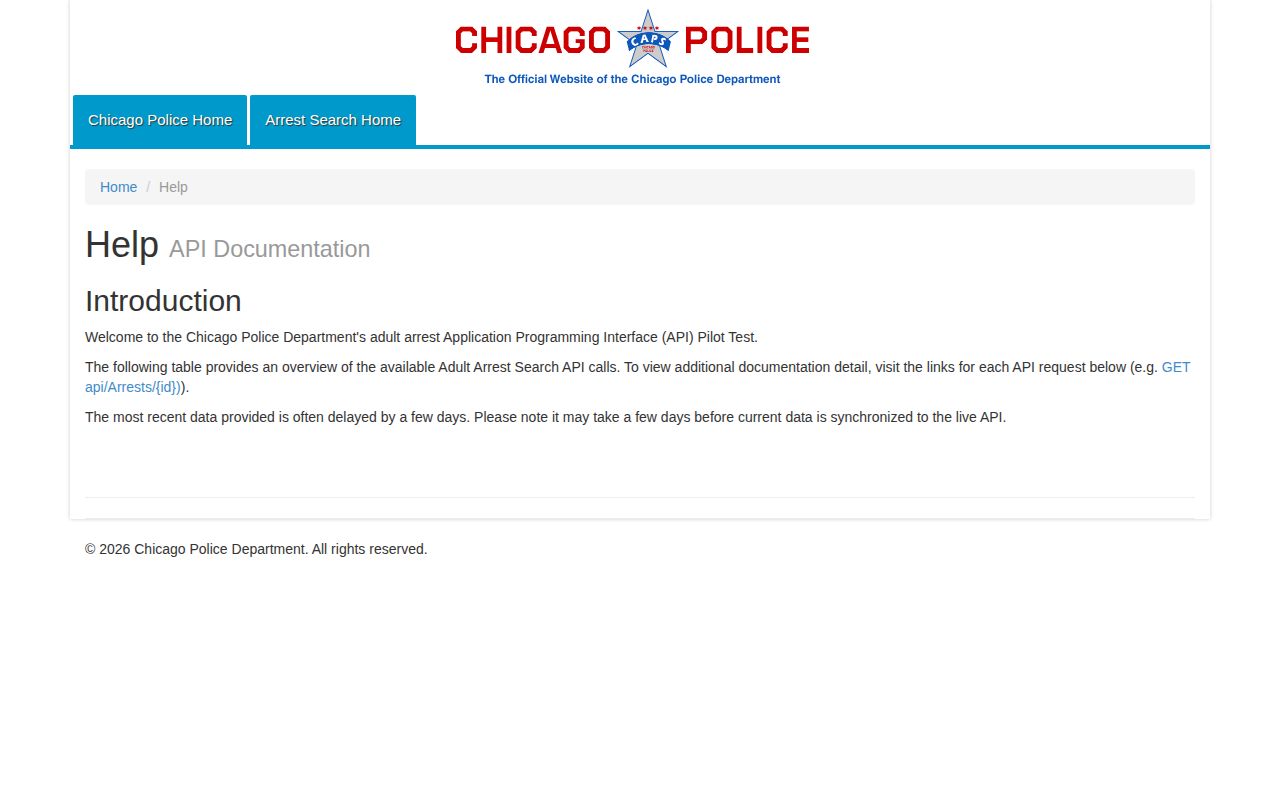
An arrest near the end of a selected range deserves a recheck. Later synchronization can add the entry.
Cook County Arrest Log Archives
Neither the CCSO live locator nor Evanston's rolling list posts a fixed retention period. Do not count on a PDF staying online. Save copies when they matter. CPD says its public records start with adult arrests on or after January 1, 2014. Expunged records come out. Those limits differ from internal retention duties.
For a record past the online window, ask the office that made it or holds it. CCSO lists detainee booking and release records among its maintained records. Its FOIA portal is the formal county route. Evanston uses its municipal records request system. Cicero accepts police or town FOIA requests. Name the person, the date range, the likely agency, and any case or booking number.
The Cook County Clerk case search can hold the case trail after a bulletin or custody row vanishes. Older criminal files may sit in the Circuit Court Archives or Illinois State Archives. Neither serves as a current booking-photo search.
Note: Roll-off online does not prove the government record was destroyed or that every part stays open to the public.
Cook County Arrest News Blotters
News coverage can explain why an arrest drew attention, but it sits below the official record. Start with police, custody, and court sources. The Chicago Sun-Times crime section, CWB Chicago, and Evanston Patch run story-based public-safety coverage. Some stories use agency-supplied images. None claims to list every arrest in Cook County. A story can still serve as a lead for an agency name, incident date, or case details. Editorial choices drive publication. So silence proves nothing about whether an arrest happened, and the Sun-Times crime stream shows that selective, story-led format.
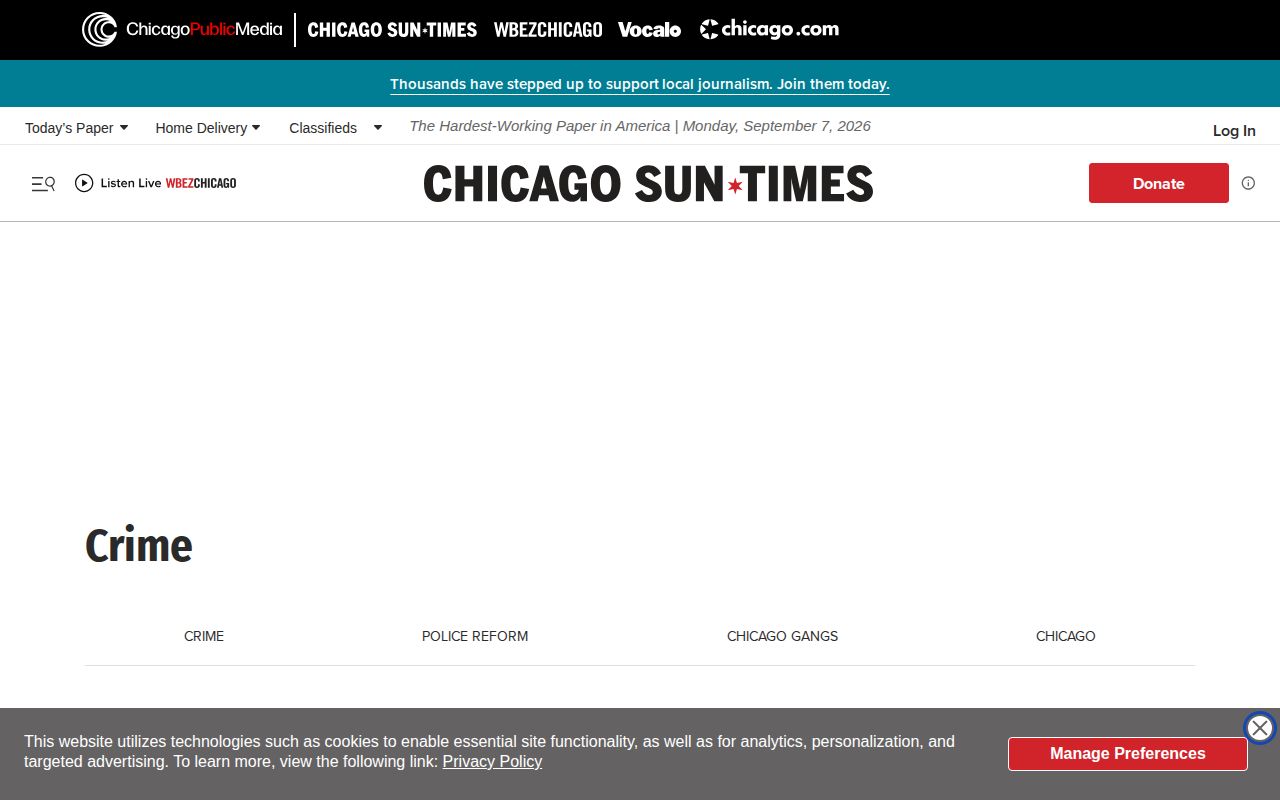
What appears here is a news index, not an official arrest ledger.
Unofficial Cook County Arrest Archives
Beyond official sources, some commercial sites hold older Cook County and Chicago arrest entries. These survive even after the live records move on. RecentlyBooked and Mugshots.zone fit that mold. Neither is a government source. Their arrest archives can lag behind or hold gaps, so treat them as leads only. The RecentlyBooked Cook County section displays a county-level archive. It states its own update schedule for booking entries.
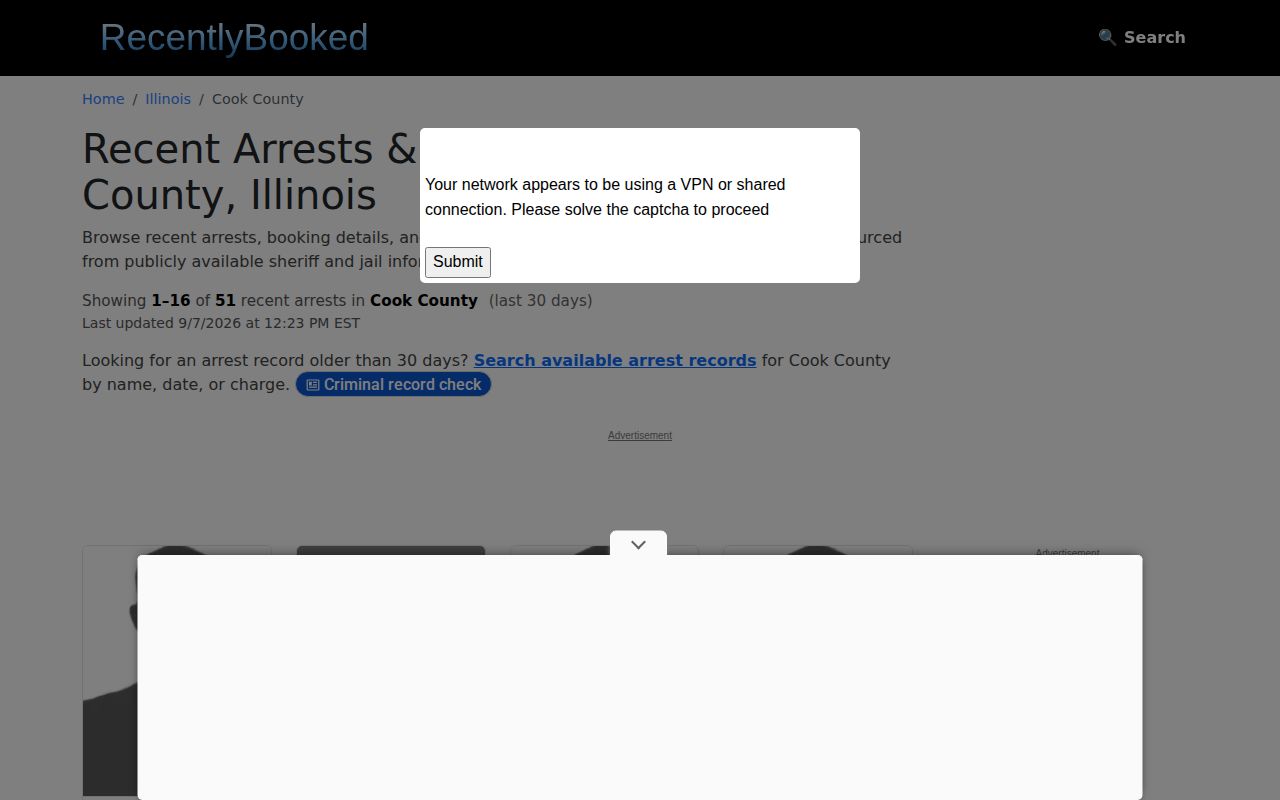
That timestamp reflects the publisher, nothing more. It does not show a complete or current feed from the Sheriff.
Cook County Arrests and Disposition
A blotter entry marks only the start of a case. Charges listed at booking can change as prosecutors and courts proceed. Amendments, reductions, or outright dismissal can all follow. The court's disposition is the outcome that matters, not the initial police entry. Pull the case number from the bulletin whenever one appears. Then verify hearings and final outcomes through the Clerk. That last step keeps a multi-day arrest log from standing in for the full case history. An old news story is not the full record either. Neither is an unofficial archive.