
Where Cook County Recent Arrests First Appear
There is no countywide feed of every new arrest. Cook County splits the picture across agencies. Each one covers only its own slice. The Cook County Sheriff Individual in Custody Locator is the county's core tool. It lists people booked and processed into the Department of Corrections. That makes it a current-custody search. It is not a log of everyone arrested today. Someone might sit in a police record after a citation. Others reach CCDOC hours later. Some land in a court, state, or federal system instead.
Where you start depends on when the arrest happened and who made it. For same-day checks, the 24 Hour Arrests guide walks through the fastest official steps. The Arrest Log guide covers the wider municipal blotter and archive path for older bookings.
| Window | Best official source | Coverage and limit | Photo |
|---|---|---|---|
| New county custody | CCDOC locator | Current people after county booking and processing; usually posted in four to six hours | Shown when the person was booked, processed, and remains listed |
| Chicago arrest search | CPD Arrest Record Search | Adult CPD arrests from 2014 forward; recent synchronization may take days | Mugshot field is part of the official search |
| Several-day local blotter | Evanston Daily Crime Reports | Selected dated reports, not a complete county log | Not a reliable photo source |
| Past a live window | Agency records request and Clerk case search | Specific police, jail, or court record; exemptions may apply | Ask the record holder if a releasable image exists |
How Long Until a Cook County Arrest Appears?
Timing matters here. The Sheriff's Communications office posts its own guidance on the lag. A locator result typically shows up four to six hours after booking. Processing into CCDOC is the trigger. That clock starts at intake, not at the handcuffs. Transport, identity checks, court action, and release can all delay or erase a county result. CCSO also cautions that some people who post bail after bond court are never booked. They can leave before a booking photo exists.
This explains why one day's searches can disagree. CPD may hold an adult arrest record while CCDOC shows no one in custody. CPD's own data interface can take days to sync recent entries. Treat an empty result as a prompt to check again. It is not proof that no arrest happened. The official CCSO timing and photo guidance spells out the posting delay. It also covers the route to request a booking photo that the live locator lacks.
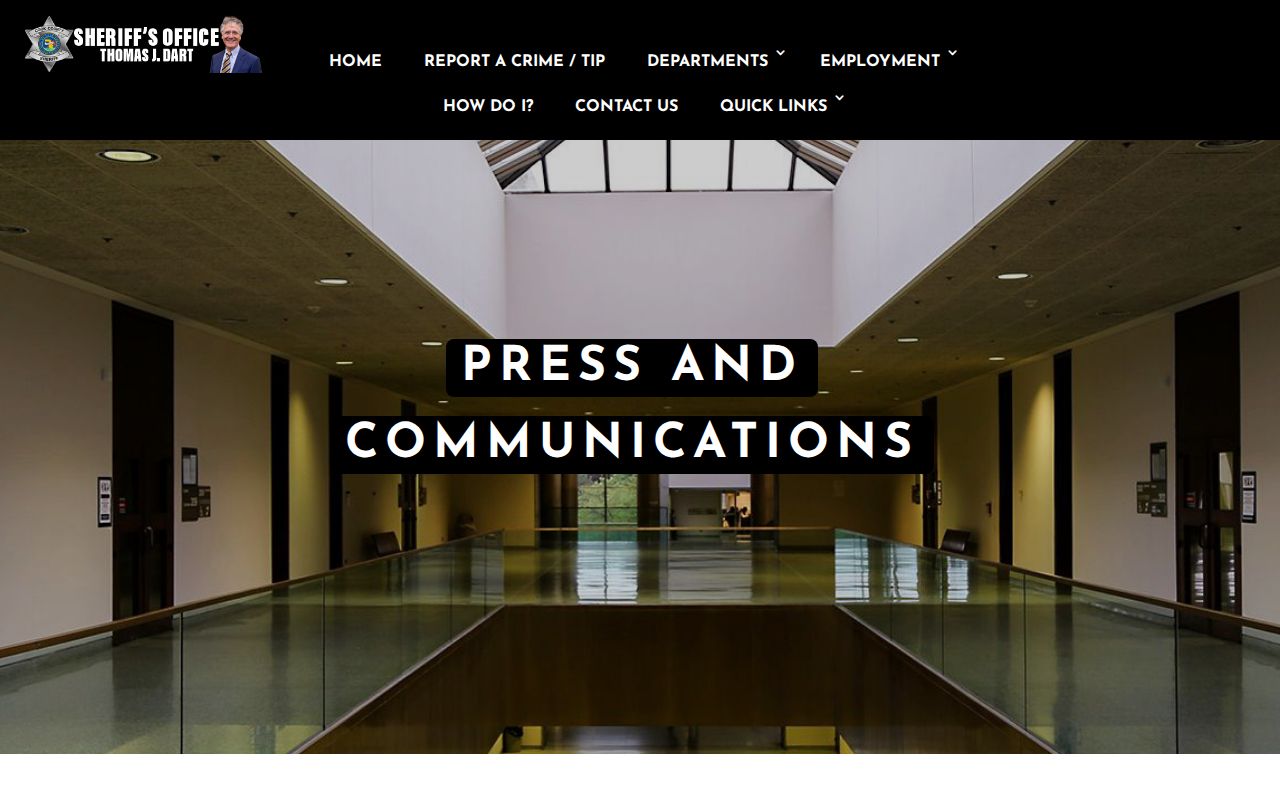
The CCSO Communications page lays out both pieces. It gives the expected posting lag and the request route for any booking photo missing from the live locator.
Search the Cook County Jail Roster
CCSO names this tool the Individual in Custody Locator. Open the official portal and accept its terms first. Then search the likely spelling of the person's name. Before trusting a match, compare every identifier shown. If a booking ID stays hidden, the Sheriff's Corrections FAQ points to the Records Office at 773-674-6321.
| Search or result detail | How to use it |
|---|---|
| Name | Try the full legal name and likely spelling variants; never match on name alone. |
| Booking or jail ID | Use the CCDOC identifier when known; it differs from a CPD Central Booking Number and a court case number. |
| Identity details | Compare age or birth details and other displayed facts to separate people with similar names. |
| Custody and location | Treat these as current and changeable, especially after release or transfer. |
| Photo | Availability follows the booked, processed, and in-custody rule; absence is not proof that no arrest occurred. |
The search runs in three steps. Accept the terms and type the name. Compare identifiers and the current status. If nothing matches reliably, turn to the arresting agency or the Records Office. Live entries can vanish after a release or transfer. CCSO publishes no fixed term for how long the live screen holds them. Communications does say its readily available digital booking-photo archive reaches back to 2009. The official CCDOC search interface opens with that terms gate. It stays focused on current custody.
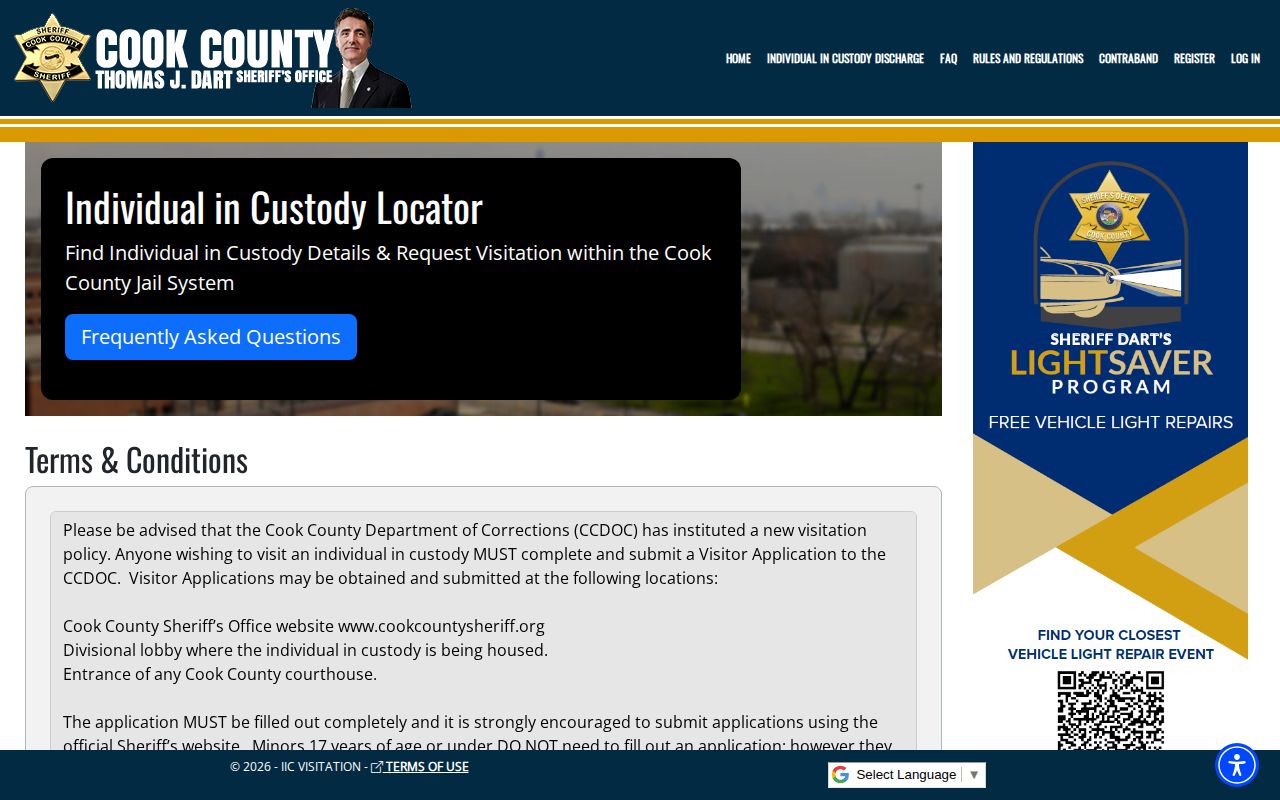
The roster works as a custody lookup tool. It shows who is in the jail now, not a photo gallery of past arrests.
Cook County Has No Public Arrest-Roster App
The Sheriff's office offers no mobile app with a public booking roster or booking-photo search. What CCSO does mention is GettingOut. It is a service for calls and messaging with an individual in custody. That is communication, not arrest lookup. Cook County also publishes dated jail-population snapshots going back to 2017. Those totals count who was in the jail on a given date. They never say who was newly arrested.
For one person's status changes, Cook County AVN and Illinois VINELink do different work. They combine custody and court-event checks with notifications. The VINELink Check page explains registration and limits. Neither one mirrors the locator, and neither captures every police arrest made before county intake.
Where Cook County Arrest Records Are Published
Start with official sources, since each one defines its own scope. News and archive pages can point you to a publication, but they cannot confirm present custody or a final case outcome.
| Channel | Photo? | Status | How to access |
|---|---|---|---|
| CCDOC Individual in Custody Locator | When available | Official, current county custody | Search CCSO |
| Chicago Police Arrest Search | Field offered | Official, adult CPD arrests only | Search CPD |
| Evanston Daily Crime Reports | Not dependable | Official, selected city reports | Open dated reports |
| Cook County Clerk | No booking gallery | Official court docket and disposition | Search cases |
| RecentlyBooked Cook section | May appear | Unofficial, variable and potentially stale | Review with caution |
| Chicago Sun-Times Crime | Varies by story | Independent news, not a booking ledger | Read coverage |
Busted Newspaper, Mugshots.com, Arrests.org, Mugshots.zone, CWB Chicago, and Evanston Patch also carry Cook County or city material. Their coverage can be incomplete, dated, duplicated, or simply wrong. Confirm any arrest through the official agency and court record.
Chicago Arrest Data Is Not a County Feed
Chicago publishes rich arrest data, but only its own. Two city sources cover it. The CPD search is limited to adults arrested by Chicago Police on or after January 1, 2014. A single result can carry a lot. It may include name, age, address, mugshot, Central Booking Number, charges, bond, arrest and release times, location, area, district, and beat. Arrests by the Sheriff, Illinois State Police, Cicero, Evanston, and other agencies stay out. The CPD Arrest Record Search spells out that scope. Match the arresting agency and the record date before comparing a city entry with a county custody result.
The open-data arrests dataset is the other source. It draws from the CLEAR automated arrest application and can list up to four charges per arrest. Downloads and multi-day analysis are its strength. Synchronization can lag, expunged records are removed, and a CPD hit still does not mean current CCDOC custody or a final court outcome.
Cook County Recent Arrests by City
An arrest's city sets the first police-record route. CCDOC matters only if the person enters county custody, and each local page keeps those stages separate.
- Chicago Recent Arrests: Chicago Police maintains its own adult search. A CPD release may never become a CCDOC booking.
- Cicero Recent Arrests: Cicero Police has official contact and records channels, but no public daily arrest roster was found.
- Evanston Recent Arrests: Evanston Police publishes selected dated bulletins, then uses its Records Bureau and FOIA portal for requests.
All three share one pattern. Check the Cook County locator only when county custody seems plausible, AVN for supported custody or court events, and the Clerk for the case outcome.
What a Cook County Arrest Record Can Show
No single Cook County source shows a whole arrest. The police report captures the event itself, CCDOC builds a custody record after intake, and the Clerk keeps the filed court case. One system's identifier may not work in the next.
| Field | Meaning and likely source |
|---|---|
| Full name and age or birth date | Identity fields in police, custody, VINE, or court systems; use another identifier to avoid a false match. |
| Arrest date, time, agency, and location | The police event; booking and publication may occur later. |
| Booking, jail, IR, or case number | System-specific keys. CCDOC, CPD, VINE, and the Clerk use different identifiers. |
| Charges as booked | Charges entered at arrest or intake. |
| Custody, location, release, or transfer | A changing status from CCDOC, CPD, or VINE, depending on the event. |
| Photo | A booking image when one was taken and may lawfully be displayed or released. |
| Court date and disposition | The Clerk docket is the source for hearings and the case result. |
Find Cook County Mugshots Through Official Sources
A Cook County booking photo belongs first to the agency that took it or holds it. If the person was booked and is currently in CCDOC custody, CCSO posts the image through its locator. No result there? Communications asks requesters to email the full name and any known details to the booking-photo contact. The office describes a digital archive reaching back to 2009. It does not promise that every arrest photo stays up on the public locator.
Adults arrested by Chicago Police can try the CPD search, which advertises a mugshot field. State prisoners are different. Illinois Department of Corrections photographs come only after admission, not at the point of a Cook County arrest, and IDOC pairs those admission shots with identifying details. On the federal side, BOP's locator publishes no inmate photos, while ICE runs its own identity-based custody lookup.
Nothing is guaranteed. Release before county booking, a processing delay, juvenile status, sealing, or expungement can all keep an image off public view. This page hosts no booking-photo galleries.
Request a Cook County Arrest Record or Photo
A live search can come up short. Then ask the agency that holds the exact record. CCSO takes requests through its GovQA portal and also lists mail, email, and in-person channels, so a focused request moves faster.
- Identify the record holder: CPD or another arresting police agency for its report, CCSO for CCDOC booking or release material, and the Clerk for the court docket.
- Provide full name, date range, arresting agency, and any booking, jail, IR, or case number. State whether the request seeks a booking sheet, release record, or photograph.
- Submit through the CCSO FOIA page or the relevant municipal portal. Ask Communications first when only a missing booking photo is sought.
- Keep the confirmation and respond if the office asks for clarification. Illinois FOIA generally provides a five-business-day response framework for noncommercial requests, subject to extension and lawful exemptions.
- Review any fee estimate before duplication. CCSO does not publish one flat booking-photo fee; its policy context says the first 50 paper pages are free and actual duplication charges can apply after that.
The official Sheriff request page shows the formal GovQA route.
The portal is a fallback, not a lever. It cannot force the release of exempt or nonexistent records.
Illinois Law on Arrest Information and Photos
Illinois law sets the baseline. Under 5 ILCS 140/2.15, agencies must release specified arrest information within defined periods. Defined exceptions apply. That does not open investigative files, juvenile records, protected addresses, or sealed material. CPD caps its public interface at adults 18 and older. Expunged entries drop out.
Illinois limits when police post certain booking photos on social-networking sites in lower-level cases. Fugitives, missing people, and persons of interest are excepted. It is not a blanket ban on lawful records or news reports.
Payment demands are the target of 815 ILCS 505/2QQQ. It covers certain demands for money to remove or correct criminal-record and booking-photo information. The sound fix is document-based. Correct the source record and seek eligible court relief. Ask an unofficial publisher through a free process. Refresh a stale search result only after the live page changes. Skip services promising guaranteed removal.
Cook County Expungement, Sealing, and Archives
Eligibility hinges on the record and its outcome. The Cook County Clerk adult expungement page points to an Adult Expungement Advice Desk. It sits at the Daley Center, 50 West Washington, Room 1006. Hours run Monday and Wednesday, 9 a.m. to noon. Statewide forms come from the Illinois Courts forms page. A court order needs time to reach every agency. Private copies and search snippets may need their own refresh afterward.
A record off a live site is not destroyed. CCSO keeps detainee booking and release records among its maintained documents. Cook County Records Management follows the Local Records Act. Older court cases may sit in the Circuit Court Archives. Historical jail registers can sit with Illinois State Archives or IRAD. For an archive request, send the full name, date range, agency, identifier, and exact record type.
Cook County Warrants Without a Most Wanted Gallery
Cook County does not maintain a standing Most Wanted gallery. Warrant searching here runs through the court file instead. The Clerk case lookup lets you search by an 11-digit case number or by name. Its Odyssey warrant guidance walks you through whatever warrant detail a file can show. Courthouse Digital Access Terminals offer the same case-search reach inside the building. One caution applies. A blank result does not clear a name. Public search access never guarantees that every warrant surfaces in a simple query.
The Sheriff's Police handle warrant work and list 708-865-4700, with 708-865-4790 reaching a desk officer. Think you might have a warrant? Ask the court or a lawyer. Never confront someone over an online photo or report. Call 911 if there is immediate danger. For fugitive and warrant announcements, the Sheriff's press-release archive is the standing public source.

It posts announcements one by one. Nothing there works as a live Most Wanted roster.
After a Cook County Arrest Reaches Court
An arrest entry opens the court process. It never closes it. Cook County Adult Probation and Pretrial Services reports that a felony arrestee booked into Cook County Jail usually sees a judge within 24 hours. Public Defender guidance puts the first appearance within 48 hours for anyone held overnight. Treat both as guideposts. No timeline fits every case.
Illinois pretrial reform took effect September 18, 2023, ending money bond and reshaping detention decisions. So an old bond figure says little today. Check Cook County AVN for custody status and upcoming court events. The Cook County Clerk case search then confirms the hearing, charges, and disposition on the official docket.
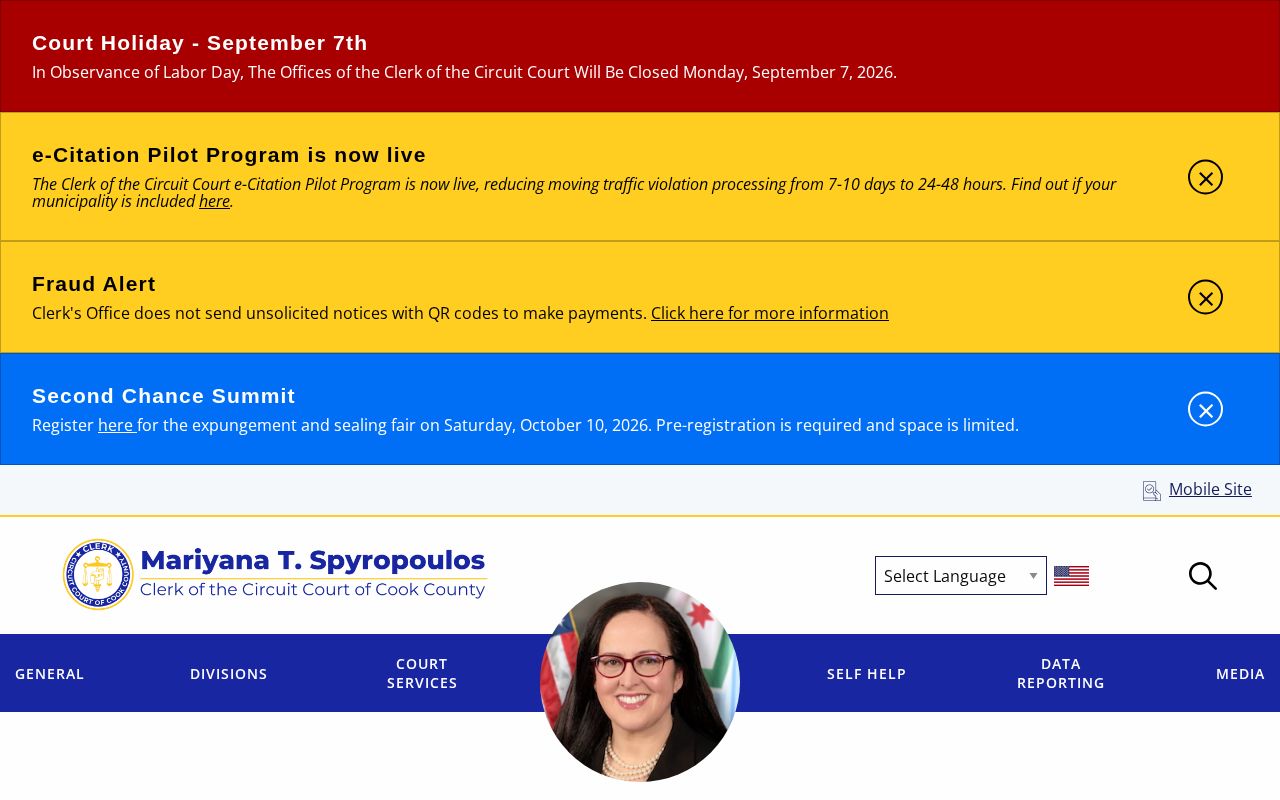
A docket can keep moving long after release from police or county custody. The Clerk's court file is where the outcome finally lands.
Custody After Cook County: IDOC, BOP, and ICE
Custody can move beyond the county. Once a sentence reaches state corrections, the Illinois Department of Corrections inmate search takes over, matching by last name, IDOC number, or birth date. IDOC takes identifying photos at admission. But that record reflects state custody, not the arrest.
Federal prisoners need a separate tool. The Bureau of Prisons locator finds them but shows no photos. The ICE Online Detainee Locator covers immigration custody and demands exact identity data. Neither feed comes from the county jail. When a person moves between systems, weigh current official status against the Cook County Clerk docket rather than trusting an old booking photo.